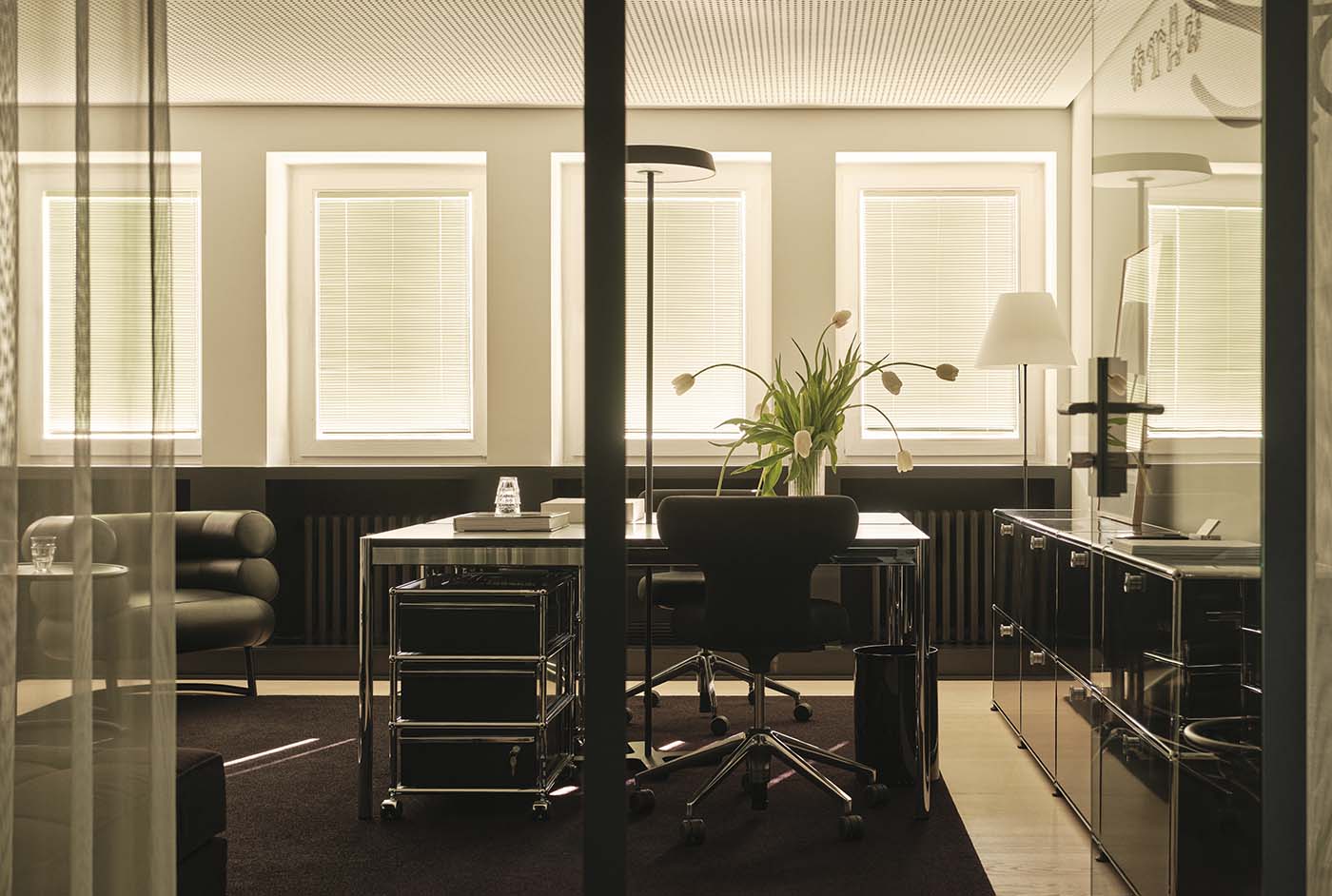
Creating an effective study space isn’t just about practicality; it’s about making a place where learning feels inspiring and personal. Imagine walking into a room that not only has all the essentials for studying but also makes you feel energized, focused, and creative. Whether you’re a student or a lifelong learner, your surroundings impact how well you absorb information. Thoughtful design and decor can transform any study corner into a stylish sanctuary that fosters concentration and motivation.
Let’s explore how simple home decor changes—like lighting, color schemes, and custom items—can enhance study spaces. By incorporating thoughtful design elements, even small areas can become places where big learning moments happen. Here’s how to take your study space to the next level, including expert tips from seasoned professionals who know how to turn an average study space into a motivating haven.
The Power of Light in Study Spaces
Lighting can make or break a study area. Poor lighting strains your eyes and can even make you feel sleepy, while good lighting creates a bright, welcoming atmosphere that keeps you alert. Seymen Usta, Principal CEO and Architect of Seus Lighting, emphasizes the importance of adaptable lighting options. “I’ve seen so many people benefit from lighting that fits their study needs—whether they’re working late or enjoying a sunny morning. We focus on designs that allow for brightness adjustments, giving people the freedom to choose what works best for them. Lighting should not only be functional but also bring a sense of style to the room,” he explains. Usta’s approach combines quality with style, so study spaces aren’t just well-lit but also feel sophisticated.
Incorporating task lighting, like desk lamps, along with ambient lighting can balance a room. Warm white light creates a cozy feel, while cooler light can help you stay alert, making it perfect for reading and writing. Consider placing lights strategically to avoid glare, especially on screens, and choose fixtures that add style, such as wall sconces or adjustable floor lamps.
Color and Ambiance: Setting the Right Tone for Focus
Color plays a powerful role in setting the mood. Cool colors like blue and green are calming and can help reduce stress, making them ideal for study spaces. When working with clients, Jaya Iyer, CEO of Teranga Digital Marketing LTD, has found that many people overlook how color impacts their productivity. “Color can change everything. I’ve seen how a room painted in a soft blue can make someone feel calm and focused, while a splash of green helps bring in an element of growth and renewal. For me, it’s about using these colors to make study areas feel open and positive,” Iyer says.
Adding color doesn’t have to mean a full repaint; simple touches like green plants or blue accents can bring life to a space. If your space needs a little more vibrance, consider accessories in bright but non-distracting colors, like teal or lavender, which can energize the room without overwhelming it.
Personal Touches: Creating a Motivating Environment
Sometimes, a little customization goes a long way in making a study space feel unique. Items like wall art, photos, or personalized organizers can make a study area feel more inviting and help keep motivation high. Bradley Fry, owner of PinProsPlus, specializes in creating customized pins that add personal flair to any workspace. “When I work with clients on creating pins for their study or workspaces, I see how these small items make a difference. Whether it’s a motivational quote or a symbol that inspires them, these pins remind people why they’re putting in the effort,” Fry notes. Adding small, personal items can not only make the space yours but can also serve as little reminders of your goals and aspirations.
Personalizing your space is about finding items that spark joy or bring a sense of purpose to your work. Framed certificates, family photos, or artwork can make the space feel more comfortable and inspiring, turning study time into a time for self-reflection and growth.
Functional Furniture: Prioritizing Comfort and Organization
A study sanctuary isn’t complete without comfortable, well-organized furniture. Desks, chairs, and storage should suit your needs while keeping your space uncluttered. Tornike Asatiani, founder of Edumentors, highlights the importance of choosing furniture that supports good posture and helps learners stay organized. “I always advise learners to invest in a chair and desk that support their bodies during long study sessions. Furniture should be functional and not get in the way of focus. Organization is key, too—clear surfaces lead to a clearer mind,” he shares. Asatiani’s insights emphasize the value of setting up a space where items are accessible, reducing distractions and allowing students to concentrate better.
If you’re working with limited space, consider multi-functional furniture like a foldable desk or a chair with storage options. Organizers and storage units keep your area tidy and provide easy access to materials, reducing time spent searching for items and keeping your mind focused on learning.
Bringing It All Together
Designing a study sanctuary is about blending functionality with personal style. Each choice, from the lighting to the furniture, should contribute to a peaceful and efficient environment. By selecting decor elements that reflect your personality and support your study goals, you can turn any space into a motivating, comfortable, and stylish place for learning. Experts like Seymen Usta, Jaya Iyer, Bradley Fry, and Tornike Asatiani remind us that with a few thoughtful choices, anyone can create a study space that feels both inspiring and unique. Whether you’re a student, a professional, or a lifelong learner, making a space that feels like a sanctuary can truly enhance the learning experience.
link
:max_bytes(150000):strip_icc()/KaterynaKovarzh-1ba05508b85442b499a1ac2a9e324e8b.jpg "How Color Psychology Affects Moods, Feelings, and Behaviors")